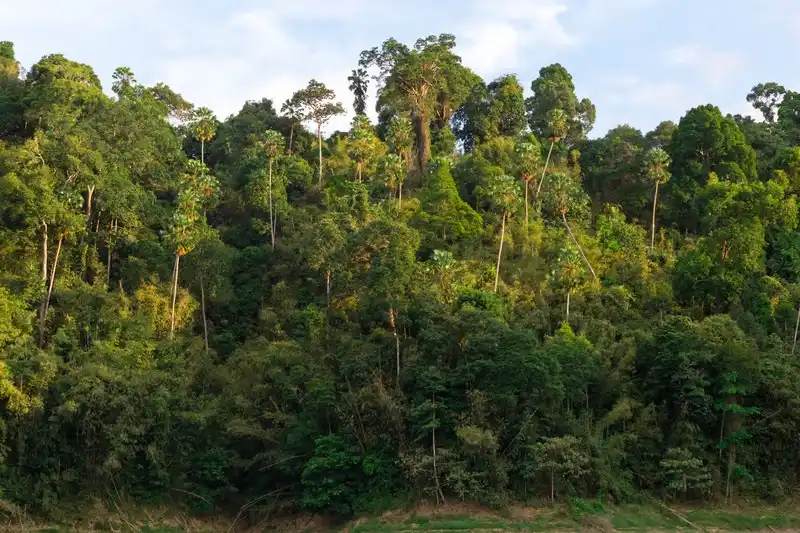
Tropical forests are among the most valuable ecosystems on Earth. They regulate climate systems, store massive amounts of carbon, support millions of species, and provide livelihoods for countless communities. From the Amazon rainforest in South America to the rainforests of Southeast Asia and Central Africa, these forests influence the health of the entire planet in ways many people do not fully realize.
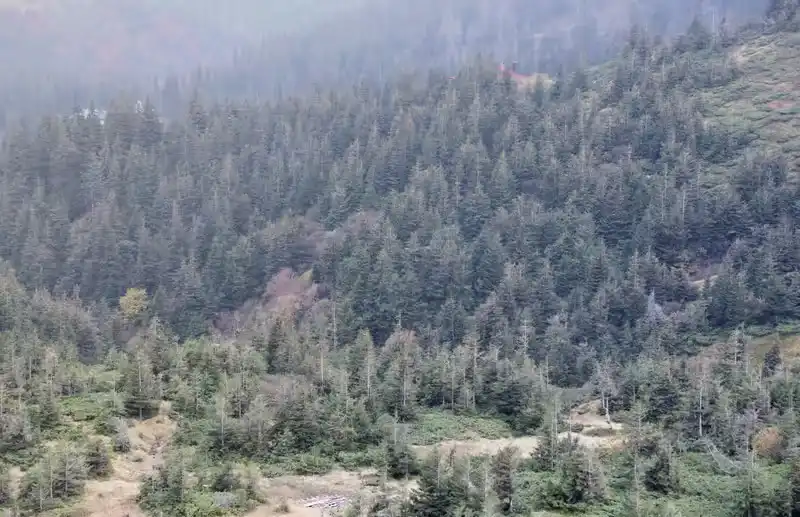
Yet tropical forests continue disappearing at an alarming rate. Logging, mining, agriculture, urban expansion, and climate change have damaged millions of hectares of once-thriving ecosystems. Large areas that were once filled with towering trees, flowing rivers, and diverse wildlife now struggle with soil erosion, biodiversity loss, and environmental instability.
Forest degradation is different from complete deforestation. A degraded forest still exists, but its ecological health has been severely weakened. Wildlife populations decline, tree density decreases, water cycles become disrupted, and ecosystems lose their resilience.
Restoring degraded tropical forests has become one of the most urgent environmental priorities of modern times. Scientists, conservationists, governments, and local communities now recognize that healthy forests are essential not only for biodiversity but also for climate stability, clean water, and long-term human survival.
The encouraging reality is that restoration works when approached correctly. Effective restoration combines science, local knowledge, sustainable land management, and long-term ecological planning.
Understanding How Tropical Forests Become Degraded
Logging, Agriculture, and Human Expansion
Human activity remains the largest cause of tropical forest degradation. Commercial logging removes valuable trees while damaging surrounding vegetation and compacting soil. Even selective logging can weaken ecosystems when roads, machinery, and repeated harvesting disturb forest balance.
Agricultural expansion is another major driver. Forests are frequently cleared for cattle ranching, palm oil plantations, soy farming, and commercial crops. In many regions, slash-and-burn agriculture strips forests of vegetation and leaves land vulnerable to erosion.
Infrastructure development also contributes heavily to degradation. Roads, dams, mining operations, and urban growth fragment forest habitats and isolate wildlife populations.
As human populations expand, pressure on natural resources increases. Forest ecosystems often struggle to recover from repeated disturbances over time.
Climate Change and Ecosystem Stress
Climate change intensifies the challenges facing tropical forests. Rising temperatures, shifting rainfall patterns, droughts, and stronger storms place additional stress on already fragile ecosystems.
Long dry seasons increase wildfire risks in tropical areas that historically remained moist year-round. Fires destroy vegetation, reduce soil fertility, and release enormous amounts of stored carbon into the atmosphere.
Changing climate conditions can also affect pollinators, seed dispersers, and wildlife migration patterns, disrupting ecological relationships that forests depend upon for regeneration.
Why Restoring Tropical Forests Is Essential for the Planet
Biodiversity Protection and Wildlife Recovery
Tropical forests contain more biodiversity than any other terrestrial ecosystem. They shelter birds, mammals, insects, amphibians, reptiles, and plant species found nowhere else on Earth.
When forests degrade, countless species lose food sources, nesting areas, and safe migration routes. Some populations decline rapidly, while others face extinction entirely.
Restoration helps rebuild these habitats and reconnect fragmented ecosystems. Healthy forests create stable environments where wildlife can recover naturally over time.
The return of biodiversity strengthens ecosystems because each species contributes to ecological balance in important ways.
Carbon Storage and Climate Stability
Tropical forests act as massive carbon sinks. Trees absorb carbon dioxide during photosynthesis and store carbon within trunks, roots, and soil.
When forests degrade or burn, stored carbon returns to the atmosphere, accelerating global warming. Restoring forests helps reverse this process by increasing carbon sequestration naturally.
Healthy tropical forests also regulate rainfall patterns and stabilize regional climates. Their role in controlling atmospheric moisture influences weather systems across continents.
Without strong tropical forest ecosystems, climate change mitigation becomes significantly more difficult.
Natural Regeneration as a Powerful Restoration Method
Allowing Forests to Recover Naturally
One of the most effective restoration methods is natural regeneration. In some degraded areas, forests can recover surprisingly well when human disturbances stop.
Seeds already present in the soil begin sprouting again. Birds and animals carry additional seeds into recovering landscapes. Over time, vegetation slowly rebuilds ecological structure.
Natural regeneration often costs less than large-scale planting programs because ecosystems repair themselves through existing biological processes.
Conditions Needed for Successful Regrowth
Natural recovery works best when nearby healthy forests still exist. These surrounding ecosystems provide seed sources, pollinators, and wildlife necessary for regrowth.
Protecting regenerating areas from fire, illegal logging, and overgrazing is also essential. Young forests remain vulnerable during early recovery stages.
In many tropical regions, even heavily damaged land can show remarkable ecological resilience when given proper protection and time.
Reforestation and Tree Planting Initiatives
Choosing Native Species Instead of Monocultures
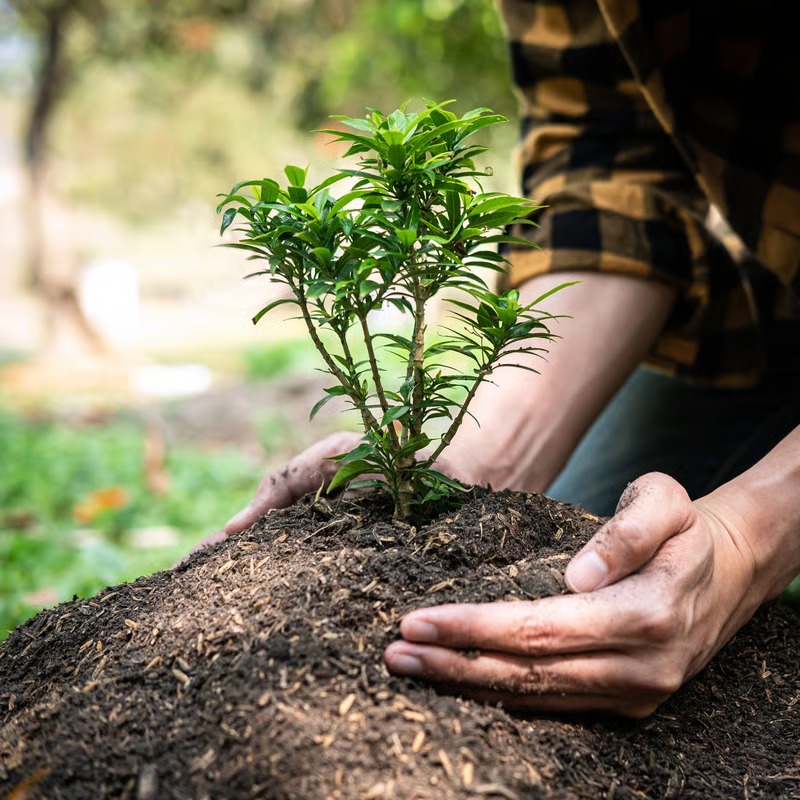
Tree planting remains one of the most visible restoration strategies worldwide. However, experts emphasize that successful reforestation involves much more than planting large numbers of trees.
Using native species is critical because local trees support regional wildlife and maintain ecological balance better than imported species.
Monoculture plantations may grow quickly, but they rarely recreate the complexity of natural tropical forests. Diverse native forests provide stronger biodiversity, healthier soil, and greater climate resilience.
Community-Based Reforestation Projects
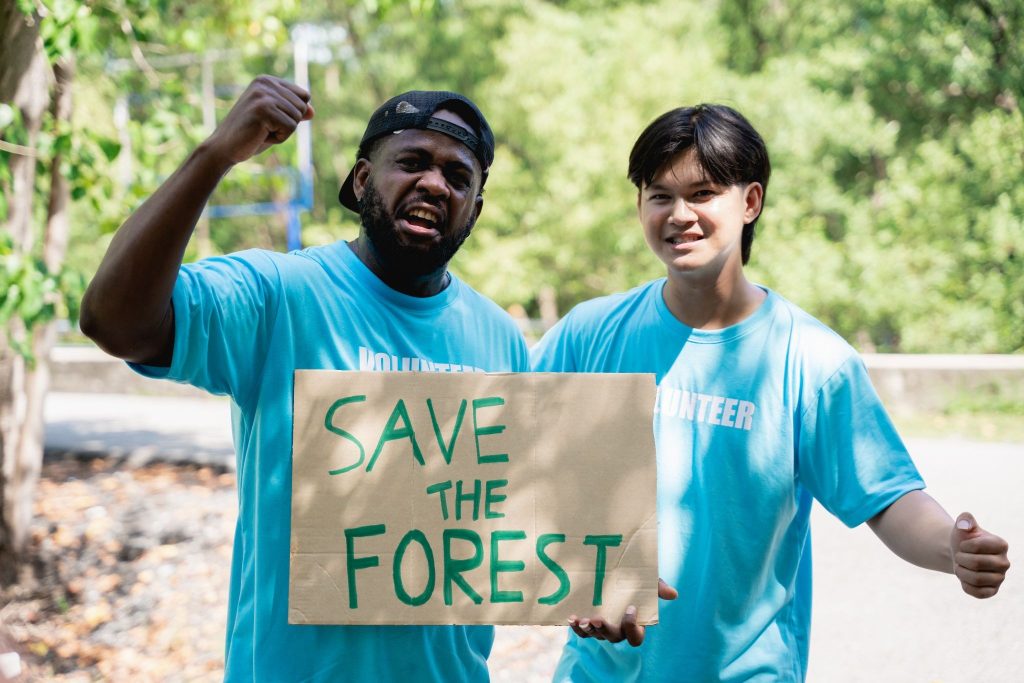
Local communities often play a central role in successful restoration programs. Residents understand regional landscapes, weather conditions, and ecological challenges better than outside organizations alone.
Community-based projects create employment opportunities while encouraging long-term environmental stewardship.
When local populations benefit economically from forest protection, restoration efforts become more sustainable over generations.
Assisted Natural Regeneration and Forest Recovery
Supporting Existing Vegetation Growth
Assisted natural regeneration combines natural recovery with targeted human support. Instead of relying entirely on tree planting, this method helps existing vegetation grow more successfully.
Workers remove invasive weeds, protect young seedlings, improve soil conditions, and reduce fire risks.
This approach strengthens ecosystems while preserving natural forest composition.
Low-Cost Restoration Strategies With Long-Term Benefits
Compared with large planting campaigns, assisted regeneration often requires fewer resources while producing strong ecological outcomes.
Because natural seed sources remain active, forests restored through assisted regeneration frequently develop greater biodiversity and stronger resilience over time.
Experts increasingly recognize this strategy as one of the most practical and cost-effective restoration solutions available.
Agroforestry and Sustainable Land Management
Combining Farming With Forest Conservation
Agroforestry integrates trees with agricultural systems. Farmers grow crops alongside forest vegetation, creating landscapes that support both food production and ecological health.
This method reduces pressure on untouched forests because communities can maintain agricultural productivity without expanding destructive land clearing.
Trees improve soil quality, reduce erosion, and provide shade for crops and livestock.
Economic Benefits for Local Communities
Agroforestry also creates financial stability. Farmers can earn income from fruits, nuts, timber, medicinal plants, and sustainable forest products while protecting ecosystems.
Economic sustainability matters greatly because conservation efforts succeed more often when communities see direct benefits.
Restoration becomes far more effective when environmental goals align with human livelihoods.
Protecting Soil and Water During Forest Restoration
Preventing Erosion and Nutrient Loss
Healthy tropical forests protect soil from heavy rainfall and erosion. Tree roots stabilize landscapes while leaf cover reduces direct impact from storms.
Degraded forests often experience severe nutrient loss because exposed soil washes away quickly during rainfall.
Restoration programs therefore focus heavily on rebuilding soil health through vegetation recovery and erosion control strategies.
Restoring Rivers, Wetlands, and Watersheds
Forests also regulate water systems. They filter rainwater, replenish groundwater reserves, and protect rivers from sediment pollution.
When forests degrade, flooding, droughts, and water contamination become more common.
Restoration efforts frequently include wetland recovery and watershed management to rebuild natural hydrological cycles.
Technology and Innovation in Tropical Forest Restoration
Satellite Monitoring and Drone Mapping
Modern technology has transformed forest conservation dramatically. Satellites now monitor forest cover changes in near real time, helping researchers identify illegal logging and track restoration progress.
Drones provide detailed aerial imagery that helps conservation teams analyze vegetation growth, soil conditions, and biodiversity patterns.
These technologies improve planning efficiency and reduce restoration costs.
AI and Data-Driven Conservation Planning
Artificial intelligence is increasingly used to predict ecological outcomes and identify high-priority restoration areas.
Machine learning models analyze climate data, soil quality, rainfall patterns, and biodiversity indicators to improve restoration strategies.
Technology alone cannot solve environmental problems, but it strengthens scientific decision-making significantly.
Indigenous Knowledge and Local Community Involvement
Traditional Ecological Practices That Support Restoration
Indigenous communities have protected tropical forests for centuries using sustainable land management practices rooted in deep ecological understanding.
Traditional knowledge often includes controlled harvesting methods, biodiversity preservation techniques, and natural resource management systems adapted to local ecosystems.
Conservation efforts become stronger when modern science respects and incorporates indigenous expertise.
Why Local Participation Improves Long-Term Success
Forest restoration projects fail more often when local communities are excluded from planning and decision-making.
People living near forests directly influence land use patterns, resource management, and ecosystem protection.
Successful restoration therefore depends heavily on local participation, education, and long-term collaboration.
Wildlife Reintroduction and Ecosystem Balance
Restoring Pollinators and Seed Dispersers
Animals play essential roles in tropical forest regeneration. Birds, bats, insects, and mammals disperse seeds and pollinate plants throughout ecosystems.
When wildlife populations disappear, forest recovery slows dramatically.
Restoration programs increasingly focus on protecting pollinators and restoring habitats for seed-dispersing species.
Rebuilding Natural Food Chains
Healthy ecosystems rely on balanced food chains. Predators regulate prey populations, herbivores influence vegetation growth, and decomposers recycle nutrients.
Reintroducing wildlife carefully can help ecosystems regain natural stability over time.
True restoration involves rebuilding entire ecological networks rather than simply increasing tree numbers.
Challenges That Slow Tropical Forest Restoration
Illegal Logging and Weak Environmental Policies
Illegal logging continues threatening many tropical regions despite conservation efforts. Weak enforcement, corruption, and poor governance undermine restoration progress in some countries.
Protected areas sometimes exist only on paper without adequate monitoring or funding.
Long-term success requires strong environmental laws backed by effective enforcement systems.
Funding Gaps and Political Barriers
Large-scale restoration requires significant financial investment and political commitment.
Some projects struggle because short-term funding cycles do not match the decades required for forest recovery.
Political instability and changing government priorities can also disrupt conservation programs unexpectedly.
The Role of Governments and International Organizations
Global Climate Agreements and Forest Protection
International climate agreements increasingly recognize tropical forests as essential tools for reducing global emissions.
Programs supporting forest conservation now receive funding from governments, nonprofits, and international organizations worldwide.
These partnerships help finance restoration projects and encourage stronger environmental policies.
Public and Private Sector Collaboration
Businesses are also becoming involved in forest restoration through sustainability initiatives and carbon reduction goals.
Public-private partnerships can provide valuable financial resources and technological support.
However, experts stress that transparency and ecological integrity must remain central to all restoration efforts.
Expert Advice for Supporting Tropical Forest Restoration
Experts recommend focusing on long-term ecological health instead of short-term publicity campaigns. Planting millions of trees sounds impressive, but successful restoration depends on biodiversity, soil quality, water systems, and community involvement.
Supporting organizations that prioritize native species and local participation is extremely important. Consumers can also reduce pressure on tropical forests by choosing sustainably sourced products and supporting responsible supply chains.
Experts encourage governments to strengthen environmental protections while investing in education and conservation research.
Perhaps most importantly, restoration should never be treated as a replacement for protecting existing forests. Preventing destruction remains far more effective than repairing severe damage later.
The Future of Tropical Forest Conservation
The future of tropical forests depends on global cooperation, scientific innovation, and public awareness. Climate change will continue creating serious challenges, but restoration science is advancing rapidly.
Governments, researchers, indigenous communities, and environmental organizations are developing smarter and more effective conservation strategies every year.
Technology will improve monitoring and planning capabilities, while public demand for sustainability may encourage stronger corporate responsibility.
There is still hope for tropical forests if restoration efforts remain ambitious, science-based, and community-driven.
The next few decades will likely determine whether humanity can preserve these irreplaceable ecosystems for future generations.
Conclusion
Tropical forests are far more than collections of trees. They are living systems that regulate climate, protect biodiversity, stabilize water cycles, and support millions of people worldwide.
Degradation caused by logging, agriculture, climate change, and human expansion has placed enormous pressure on these ecosystems. Yet restoration remains possible through a combination of natural regeneration, reforestation, agroforestry, technological innovation, and community involvement.
Successful forest restoration requires patience, scientific understanding, and long-term commitment. Healthy ecosystems cannot be rebuilt overnight, but steady progress can restore biodiversity, strengthen climate resilience, and protect the planet’s environmental future.
The restoration of tropical forests is not only an environmental mission. It is a global responsibility connected directly to human survival, economic stability, and ecological balance.
FAQs
What causes tropical forests to become degraded?
Tropical forests become degraded due to logging, agriculture, mining, urban expansion, climate change, wildfires, and unsustainable land management practices that damage ecosystems over time.
What is the most effective way to restore tropical forests?
The most effective restoration approach often combines natural regeneration, native tree planting, community involvement, soil protection, and long-term ecological management strategies.
Why are tropical forests important for climate change?
Tropical forests absorb large amounts of carbon dioxide, regulate rainfall patterns, protect biodiversity, and help stabilize global climate systems naturally.
Can degraded tropical forests recover naturally?
Yes, many degraded forests can recover naturally when protected from further disturbance and supported through assisted regeneration techniques.
How do local communities help forest restoration?
Local communities contribute valuable ecological knowledge, sustainable land practices, long-term monitoring, and environmental stewardship that improve restoration success.