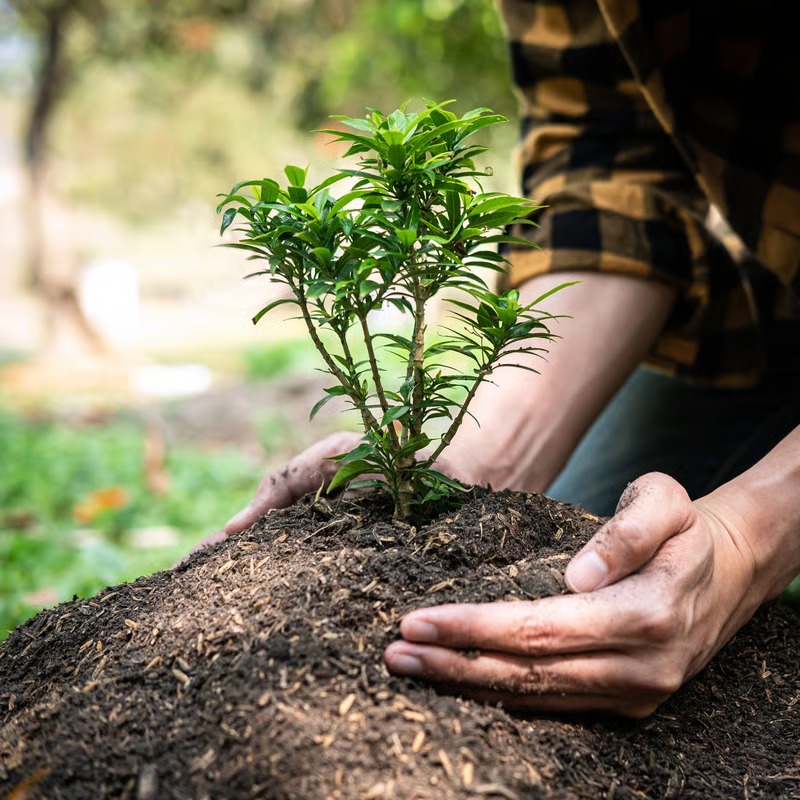
In an era where climate change and biodiversity loss are pressing global issues, the concepts of forest restoration and tree planting have gained significant attention. While these terms are often used interchangeably, they represent distinct approaches to addressing the degradation of forest ecosystems. Understanding the differences between forest restoration and simple tree planting is crucial for effective conservation efforts. This article will delve into the nuances of these two processes, exploring their methodologies, objectives, and long-term impacts on ecosystems and communities.
The Need for Forest Restoration
Forests are vital for the health of our planet. They provide habitat for wildlife, sequester carbon, regulate water cycles, and offer resources for human livelihoods. However, deforestation, climate change, and unsustainable land use have led to significant forest degradation worldwide. According to the Food and Agriculture Organization (FAO), about 10 million hectares of forest are lost each year. This alarming statistic underscores the urgent need for effective restoration efforts.
What Is Forest Restoration?
Forest restoration is a comprehensive process aimed at reviving and rehabilitating degraded forest ecosystems. Unlike simple tree planting, which often focuses solely on the act of planting trees, forest restoration considers the entire ecosystem, including soil health, biodiversity, and the relationships between various species. The goal of forest restoration is to restore ecological integrity and functionality, creating self-sustaining ecosystems that can thrive without ongoing human intervention.
Expert Insight: Dr. Jane Goodall, a renowned primatologist and environmentalist, emphasizes the importance of holistic approaches in restoration: “We must not only plant trees but also restore the balance of nature, ensuring that ecosystems can recover and flourish.”
The Process of Forest Restoration
Forest restoration involves several key stages that collectively work to rejuvenate ecosystems. Let’s explore these stages to understand how they differ from the straightforward act of tree planting.
1. Assessment and Planning
Before any restoration activities can begin, it’s essential to assess the current state of the ecosystem. This includes evaluating soil quality, existing vegetation, and the presence of wildlife. Restoration practitioners often conduct surveys to identify native species that should be reintroduced and to understand the historical context of the landscape.
Real-Life Example: In the Amazon rainforest, organizations like the Amazon Conservation Team conduct thorough assessments to determine which native species are most suitable for reintroduction based on environmental conditions and historical data.
2. Site Preparation
Once assessments are complete, the next step is to prepare the site for restoration. This may involve removing invasive species, improving soil quality through amendments, and creating conditions that support the growth of native plants. Site preparation is crucial for ensuring that newly planted trees and vegetation have the best chance of survival.
3. Selection of Native Species
A fundamental difference between forest restoration and simple tree planting is the emphasis on biodiversity in restoration efforts. Restoration projects prioritize planting native species that are suited to the local environment. These species are more likely to thrive and support the surrounding ecosystem, creating habitats for wildlife.
Expert Insight: Conservation biologist Dr. David Lindenmayer states, “Planting native species is critical for restoring ecological balance. These plants provide food and habitat for local fauna, facilitating a thriving ecosystem.”
4. Planting and Maintenance
The actual planting phase in forest restoration is often more complex than simple tree planting. Restoration projects may involve planting a mix of trees, shrubs, and ground cover plants to create a diverse ecosystem. Additionally, ongoing maintenance, such as monitoring growth and removing invasive species, is essential for ensuring the long-term success of restoration efforts.
Real-Life Example: The reforestation project in the Pacific Northwest of the United States emphasizes planting diverse species, such as Douglas fir, western red cedar, and various understory plants, to create a balanced ecosystem that supports a variety of wildlife.
5. Monitoring and Adaptation
Effective forest restoration requires continuous monitoring to assess the health of the ecosystem. This includes observing species growth, soil quality, and wildlife activity. Restoration practitioners must be prepared to adapt their strategies based on these observations, ensuring that the project remains aligned with its ecological goals.
Research-Backed Data: A study published in Ecological Applications found that adaptive management—adjusting practices based on monitoring results—significantly improves the success rates of restoration projects.
Tree Planting: A Simplified Approach
In contrast to forest restoration, tree planting is often a more straightforward and less comprehensive process. While tree planting can play a vital role in increasing forest cover and mitigating climate change, it may not always address the underlying issues affecting forest ecosystems.
Characteristics of Tree Planting
Tree planting programs usually focus on the act of planting a specific number of trees to achieve a particular goal, such as carbon offsetting or beautification. These programs often prioritize the quantity of trees planted over the ecological context, which can lead to several challenges.
Limitations of Simple Tree Planting
Lack of Ecological Consideration: Tree planting initiatives may not consider the specific needs of the local ecosystem. For instance, planting non-native species can disrupt local biodiversity and lead to further ecological imbalance.
Short-Term Focus: Many tree planting programs have a short-term focus, emphasizing immediate results without considering long-term sustainability. Without proper care and monitoring, newly planted trees may struggle to survive due to competition from invasive species or poor soil conditions.
Neglect of Underlying Issues: Tree planting alone does not address the root causes of deforestation and ecosystem degradation, such as land-use changes, climate change, and pollution. Without tackling these issues, the long-term success of tree planting efforts may be compromised.
Real-Life Example: A tree planting initiative in a suburban area may successfully plant thousands of trees, but without addressing soil quality or invasive species, many of those trees may fail to thrive in the long run.
The Importance of Forest Restoration Over Simple Tree Planting
Given the differences between forest restoration and simple tree planting, it’s crucial to understand why forest restoration is often the preferred approach for effective conservation.
1. Ecosystem Resilience
Forest restoration focuses on rebuilding entire ecosystems, enhancing resilience to climate change and other environmental stresses. A diverse and balanced ecosystem is more likely to withstand disturbances, such as droughts or pest outbreaks, compared to a monoculture of planted trees.
Research-Backed Data: A study published in Nature found that diverse ecosystems exhibit greater resilience to environmental changes, highlighting the importance of biodiversity in restoration efforts.
2. Enhanced Biodiversity
Restoring forests promotes biodiversity by reintroducing native species and creating habitats for various wildlife. This not only benefits the environment but also supports local communities that rely on healthy ecosystems for their livelihoods.
Real-Life Example: In Costa Rica, successful forest restoration projects have led to the return of endangered species, such as the resplendent quetzal, demonstrating the positive impact of biodiversity on ecosystem health.
3. Long-Term Sustainability
Forest restoration emphasizes long-term sustainability by creating self-sustaining ecosystems that require minimal human intervention. This approach reduces the need for ongoing maintenance, allowing natural processes to take over and ensuring the longevity of the restored area.
Expert Insight: Conservation scientist Dr. Isabella Tree states, “Restoration is about letting nature do its work. By supporting natural processes, we can create ecosystems that thrive independently.”
4. Community Engagement
Effective forest restoration often involves local communities in the planning and implementation processes. Engaging communities fosters a sense of ownership and responsibility towards the restored area, leading to better long-term outcomes.
Real-Life Example: In Nepal, community-based forest restoration projects have successfully engaged local populations, resulting in improved livelihoods and increased forest cover. This collaborative approach demonstrates the power of involving local stakeholders in conservation efforts.
Case Studies: Successful Forest Restoration Projects
To further illustrate the benefits of forest restoration over simple tree planting, let’s examine a few successful case studies from around the world.
1. The Bonn Challenge
Launched in 2011, the Bonn Challenge aims to restore 150 million hectares of deforested and degraded land by 2020. This global initiative emphasizes forest restoration as a means to combat climate change and promote biodiversity. Countries participating in the Bonn Challenge have implemented diverse restoration strategies, prioritizing native species and community involvement.
2. The Great Green Wall Initiative
The Great Green Wall is an ambitious African initiative aimed at combating desertification and restoring 100 million hectares of land across the Sahel region. This project focuses on restoring ecosystems, improving food security, and promoting sustainable land use practices. By engaging local communities and prioritizing native species, the Great Green Wall aims to create resilient landscapes that can withstand climate change.
3. The Atlantic Forest Restoration Pact
In Brazil, the Atlantic Forest Restoration Pact brings together various stakeholders, including governments, NGOs, and local communities, to restore the Atlantic Forest. This initiative emphasizes the importance of biodiversity and ecological integrity in restoration efforts. By focusing on native species and sustainable land use practices, the Atlantic Forest Restoration Pact aims to revive one of the most biodiverse ecosystems on the planet.
Conclusion
While tree planting is undoubtedly important, it is essential to recognize the critical differences between simple tree planting and comprehensive forest restoration. Forest restoration encompasses a holistic approach that addresses the complexities of ecosystems, prioritizing biodiversity, resilience, and long-term sustainability. By engaging local communities and focusing on native species, restoration efforts can yield significant environmental benefits and foster healthier ecosystems.
As individuals and organizations increasingly recognize the importance of forest restoration, it is vital to support initiatives that prioritize ecological integrity and community involvement. By doing so, we can contribute to a healthier planet and ensure that forests continue to thrive for generations to come.
Frequently Asked Questions (FAQs)
What is forest restoration?
Forest restoration is the process of reviving and rehabilitating degraded forest ecosystems, focusing on restoring ecological integrity and functionality rather than simply planting trees.
How does forest restoration differ from tree planting?
Forest restoration involves a holistic approach that considers biodiversity and ecosystem health, while tree planting often focuses solely on planting trees without addressing underlying ecological factors.
Why is forest restoration important?
Forest restoration is crucial for enhancing biodiversity, improving ecosystem resilience, and promoting sustainable land management practices, ultimately contributing to healthier environments and communities.