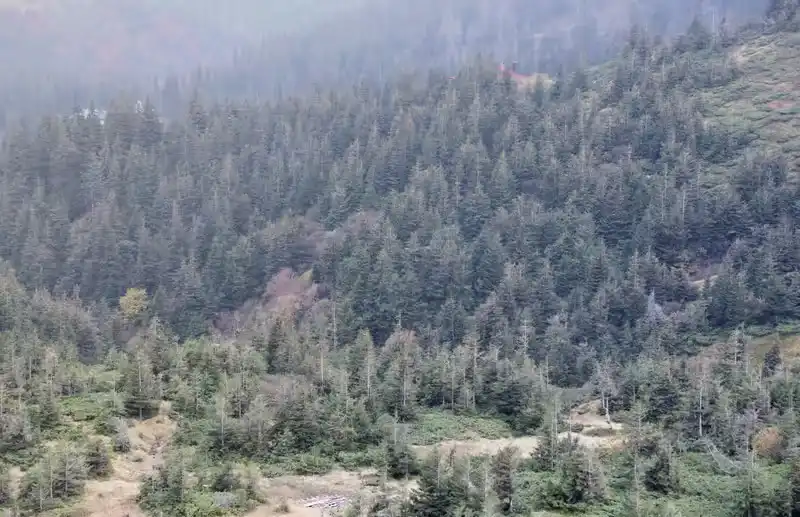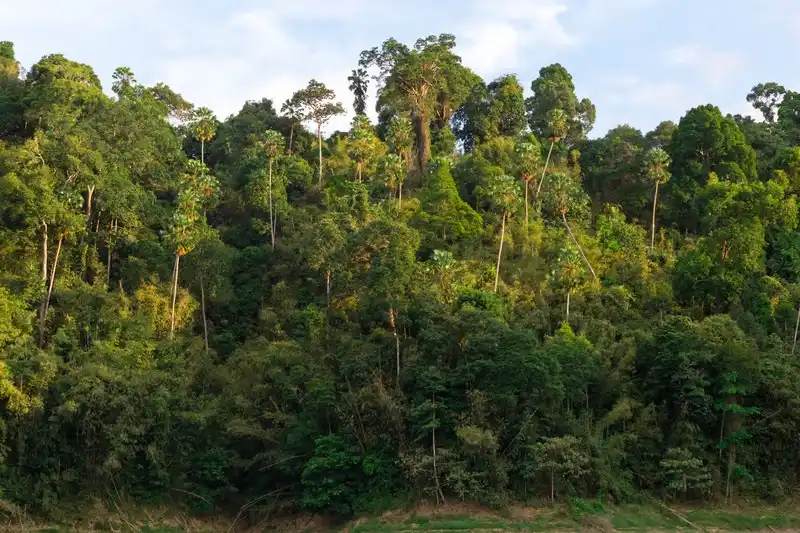
Forest ecosystems are under constant pressure from deforestation, climate change, and land conversion. Restoring them is no longer just about planting trees. It is about rebuilding entire ecological systems that can sustain themselves over time. A well-structured forest restoration guide focuses on how land, water, soil, and biodiversity interact as one system. For experienced practitioners, the real challenge is not understanding the theory but applying it in complex, degraded landscapes. This article focuses on how restoration works in real conditions and what separates successful projects from short-lived efforts.
Reading the Land Before Any Restoration Work Begins
Every restoration effort starts with understanding the land itself. Soil quality, water movement, and existing vegetation all determine what is possible. A strong forest restoration guide begins with detailed site analysis rather than immediate planting. Some areas may still hold fragments of native ecosystems, while others may be heavily altered and require full intervention. Reading the land correctly helps avoid wasted effort and improves long-term survival rates. It also reveals hidden constraints that are not always visible at the surface level.
Choosing Restoration Pathways Based on Ecosystem Type
Passive regeneration approach
In some landscapes, nature still has the capacity to recover on its own. Passive regeneration allows this process to happen with minimal human interference. A forest restoration guide often recommends this approach in areas where soil and seed banks are still intact. The key is removing pressure, such as grazing or logging, and allowing natural regrowth to take place. This method is cost-effective and often leads to more resilient ecosystems.
Active restoration interventions
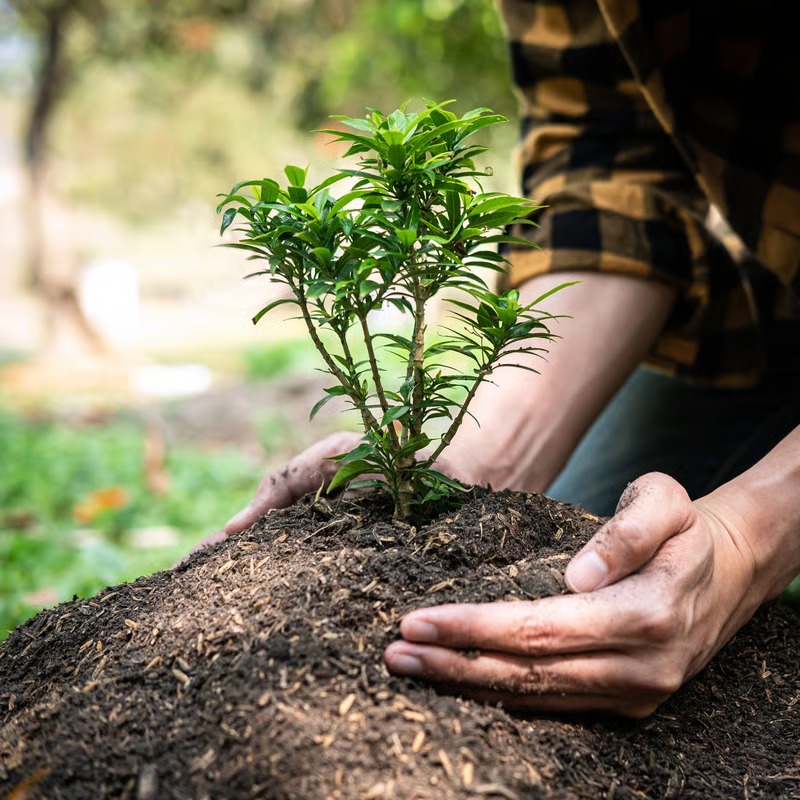
In heavily degraded areas, natural recovery is not enough. Active restoration involves planting native species and restructuring the landscape. A forest restoration guide highlights the importance of matching intervention intensity with ecological damage. Techniques such as assisted natural regeneration help speed up recovery while still relying on natural processes. The goal is not to control nature but to support it where it has lost its ability to recover alone.
Native Species Selection and Ecological Compatibility
Choosing the right species is one of the most critical decisions in restoration. Native species are adapted to local conditions and support biodiversity more effectively than introduced ones. A forest restoration guide emphasizes avoiding monoculture plantations because they reduce ecosystem resilience. Instead, mixed species systems create a stronger ecological balance. Matching plants to soil type, rainfall patterns, and microclimate conditions improves survival rates and long-term stability. Poor species selection is one of the most common reasons restoration projects fail.
Soil Recovery as the Foundation of Forest Regrowth
Healthy soil is the base of any forest ecosystem. Without it, even the best planting efforts fail. A forest restoration guide focuses heavily on rebuilding soil structure and biological activity. Degraded land often suffers from compaction, nutrient loss, and reduced microbial life. Restoring organic matter helps restart natural nutrient cycles. Techniques such as mulching, compost integration, and erosion control are used to rebuild soil health. Once soil function is restored, plant growth becomes more stable and self-sustaining.
Water System Restoration and Landscape Hydrology
Water movement across the landscape is often disrupted in degraded forests. Streams may dry up, or water may flow too quickly, causing erosion. A forest restoration guide addresses hydrology as a central factor in recovery. Restoring wetlands, reconnecting streams, and improving groundwater recharge are key steps. Healthy water systems support vegetation growth and improve microclimate conditions. Without proper water balance, even restored forests struggle to survive long-term drought cycles.
Wildlife Return and Habitat Rebuilding
Forests are not complete without wildlife. Animals play a critical role in seed dispersal, soil health, and ecological balance. A forest restoration guide includes habitat design that supports species return. This involves creating corridors that allow movement between fragmented areas. In some cases, key species may need to be reintroduced to restore balance. The return of wildlife is often one of the strongest indicators of ecological recovery and system stability.
Human Impact Management During Restoration Projects
Human activity continues to influence forest recovery even during restoration efforts. A forest restoration guide must consider grazing, land use, and local community needs. Without managing these pressures, restoration outcomes can be reversed quickly. Involving local communities often improves success rates because it aligns ecological goals with economic realities. Sustainable land use practices help ensure that restoration benefits are maintained over time rather than being temporary improvements.
Monitoring Ecosystem Recovery Over Time
Restoration does not end after planting or initial intervention. Continuous monitoring is essential to track progress. A forest restoration guide uses indicators such as plant survival rates, soil quality, and biodiversity return to measure success. Satellite imagery and field surveys help track changes over time. Monitoring allows practitioners to adjust strategies when needed and respond to unexpected ecological changes. Long-term data is essential for understanding whether a forest is truly recovering.
Common Restoration Mistakes in Field Projects
One of the most common mistakes is focusing only on planting trees without addressing the underlying ecological conditions. A forest restoration guide warns against ignoring soil and water systems. Another frequent issue is using fast-growing non-native species that fail to support biodiversity. Short-term success often hides long-term failure in such cases. Lack of planning for maintenance and monitoring also leads to poor outcomes. Restoration requires patience and system-level thinking rather than quick fixes.
Scaling Restoration Across Larger Landscapes
Small, successful projects do not always translate easily to larger landscapes. Scaling requires coordination between multiple stakeholders. A forest restoration guide emphasizes the importance of regional planning and policy alignment. Funding, land ownership, and governance all influence scalability. Large-scale restoration also requires consistent monitoring systems to maintain ecological coherence across different zones. Without coordination, efforts can become fragmented and less effective.
Adaptive Management in Changing Climate Conditions
Climate conditions are no longer stable, which directly affects restoration outcomes. A forest restoration guide includes adaptive management as a core principle. This means adjusting strategies based on new data and environmental changes. Droughts, temperature shifts, and extreme weather events all influence forest recovery. Flexibility in planning allows ecosystems to adjust and survive under changing conditions. Static restoration models often fail in dynamic environments.
Conclusion
Forest restoration is a complex process that goes far beyond planting trees. It requires understanding soil, water, biodiversity, and human systems as interconnected parts of one ecosystem. A structured forest restoration guide helps ensure that each of these elements is addressed properly. Long-term success depends on careful planning, continuous monitoring, and the ability to adapt to changing conditions. When done correctly, restoration not only rebuilds forests but also restores ecological balance at a landscape level.
FAQs
1. What is the main purpose of a forest restoration guide?
A forest restoration guide helps structure the process of rebuilding damaged ecosystems. It focuses on restoring soil, water flow, biodiversity, and natural regeneration processes. The goal is not only to plant trees but to rebuild a stable and self-sustaining ecological system over the long term.
2. Why is soil recovery so important in forest restoration?
Soil recovery is essential because it supports plant growth, water retention, and microbial activity. Without healthy soil, even native trees struggle to survive. A forest restoration guide prioritizes rebuilding soil structure and nutrients first, since it forms the foundation for all other ecological processes in forest recovery.
3. When should passive regeneration be preferred over active planting?
Passive regeneration is preferred when the land still retains native seeds, soil health, and low disturbance levels. In such cases, nature can recover on its own once pressure like grazing is removed. A forest restoration guide recommends this approach because it is cost-effective and often more ecologically resilient.
4. How does wildlife support forest restoration success?
Wildlife plays a key role in seed dispersal, soil enrichment, and maintaining ecological balance. Animals help forests regenerate naturally by spreading plant species and supporting biodiversity cycles. A forest restoration guide includes wildlife return as a major indicator that the ecosystem is recovering successfully and functioning normally again.
5. What is the biggest mistake in forest restoration projects?
The biggest mistake is focusing only on tree planting without addressing soil, water, and ecological balance. A forest restoration guide warns that ignoring these systems leads to weak forests that do not survive long-term. Successful restoration requires a full ecosystem approach rather than isolated planting efforts.