
Forest restoration is more than just planting trees. It is about bringing life back to areas that have been damaged or destroyed. Healthy forests are vital for our planet’s forest restoration and biodiversity. They provide habitat for countless species and support ecosystems that sustain life. This blog will explore why forest restoration is essential for forest restoration biodiversity and how it can help our planet thrive. The relationship between forest restoration and forest restoration biodiversity is crucial for maintaining ecological balance.
Understanding Forest Restoration
Definition and Goals
Forest restoration refers to the process of recovering ecosystems that have been degraded or destroyed. The main goal is to return the area to a state that resembles its natural condition. This involves not only planting trees but also restoring the entire ecosystem, including soil health and native plant species.
Successful restoration projects aim to improve forest restoration biodiversity, enhance ecosystem services, and increase resilience against climate change. By focusing on these goals, we can create forests that are not only beautiful but also functional and sustainable. The connection between forest restoration and forest restoration biodiversity is fundamental to achieving these goals.
Types of Forest Restoration
There are various methods of forest restoration, depending on the specific needs of the area. Reforestation involves planting trees in a deforested area, while afforestation means creating a forest in a previously non-forested area. Another method is assisted natural regeneration, where the natural recovery processes are supported by reducing barriers to growth.
Successful examples of restoration can be found all over the world. For instance, the Atlantic Forest in Brazil has seen significant recovery through community-led initiatives. By understanding the different approaches to forest restoration, we can apply the best practices to enhance forest restoration biodiversity effectively, demonstrating the importance of forest restoration for forest restoration biodiversity.
The Role of Forests in Biodiversity
Forest Ecosystems and Biodiversity
Forests are home to an incredible variety of species. They provide habitat for birds, mammals, insects, and plants, creating a rich tapestry of life. The complexity of forest ecosystems supports more forest restoration biodiversity than any other land-based ecosystem.
Healthy forests have intricate relationships between species. For example, trees provide food and shelter for animals, while animals help with seed dispersal and pollination. This interconnectedness highlights the importance of preserving and restoring forest ecosystems, as their health directly impacts forest restoration biodiversity. The maintenance of forest restoration biodiversity relies heavily on the restoration of forest ecosystems.
Threats to Forest Biodiversity
Unfortunately, forests face numerous threats that jeopardize their health and the forest restoration biodiversity they support. Deforestation, driven primarily by agriculture, logging, and urbanization, removes vast areas of habitat. This not only displaces wildlife but also disrupts the delicate balance of the ecosystem.
Climate change adds another layer of complexity. Changes in temperature and weather patterns can stress forest ecosystems, making them more vulnerable to pests and diseases. Restoring forests is crucial in mitigating these threats and ensuring that forest restoration biodiversity can thrive. The need for forest restoration to protect forest restoration biodiversity has never been more critical.
Benefits of Forest Restoration for Biodiversity
Habitat Restoration
One of the most significant benefits of forest restoration is the creation of habitats for wildlife. Restoring native vegetation helps to reestablish the natural environment that many species depend on. Healthy habitats support a range of life forms, from birds and mammals to insects and fungi.
Native species play a vital role in restoration efforts. They are adapted to the local environment and offer the best chances for a successful recovery. By prioritizing native plants in restoration projects, we can create thriving ecosystems that support diverse wildlife. Therefore, the link between forest restoration and forest restoration biodiversity is essential for restoring these habitats.
Enhancing Ecosystem Services
Restored forests provide critical ecosystem services that benefit both nature and humans. These services include clean air and water, carbon storage, and soil stabilization. Forests also play a significant role in regulating the climate and preventing soil erosion.
When we restore forests, we enhance these services and contribute to the overall health of the planet. Healthy ecosystems can help combat climate change, making forest restoration a key strategy in our fight for environmental sustainability. The enhancement of ecosystem services through forest restoration is vital for supporting forest restoration biodiversity.
Climate Change Mitigation
Forest restoration is an effective way to combat climate change. Trees absorb carbon dioxide and store it in their biomass, helping to reduce greenhouse gases in the atmosphere. Restoring degraded forests can significantly increase carbon sequestration, making them vital in the global effort to mitigate climate change.
Additionally, healthy forests are more resilient to the impacts of climate change. By restoring ecosystems, we can help protect forest restoration biodiversity and ensure that species have the resources they need to survive in a changing environment. The role of forest restoration in promoting forest restoration biodiversity resilience is crucial in the face of climate change.
Successful Forest Restoration Case Studies
Global Examples
Many successful forest restoration projects demonstrate the positive impact on forest restoration biodiversity. For instance, the Bonn Challenge aims to restore 150 million hectares of deforested and degraded land globally. Countries like Rwanda have made significant strides in reforesting their mountainous regions, leading to increased wildlife populations and improved ecosystem health.
Another example is the restoration of the degraded forests in the Loess Plateau, China. This project transformed barren land into productive forests, improving local forest restoration biodiversity and providing livelihoods for communities. These case studies show that restoration is not only possible but can lead to remarkable outcomes, reinforcing the connection between forest restoration and forest restoration biodiversity.
Community Involvement
Community involvement is often the key to successful restoration efforts. Engaging local communities ensures that restoration projects are culturally relevant and sustainable. When people have a stake in the restoration process, they are more likely to care for the land and its forest restoration biodiversity.
Projects that involve local knowledge and practices tend to be more effective. For example, in the Amazon rainforest, indigenous communities have successfully implemented traditional agroforestry practices that restore degraded land while preserving forest restoration biodiversity. These community-led efforts highlight the importance of collaboration in achieving successful forest restoration and its benefits for forest restoration biodiversity.
Challenges and Considerations in Forest Restoration
Financial and Logistical Barriers
While forest restoration is essential, it often faces financial and logistical challenges. Securing funding for large-scale projects can be difficult. Many restoration initiatives rely on government support or donations from NGOs and private organizations.
Logistical issues, such as access to remote areas and the availability of native planting materials, can also hinder restoration efforts. Addressing these challenges requires innovative solutions and collaboration between various stakeholders, including governments, NGOs, and local communities. Overcoming these barriers is vital for the success of forest restoration and the forest restoration biodiversity it aims to protect.
Long-Term Monitoring and Maintenance
Restoration is not a one-time effort. Long-term monitoring and maintenance are crucial to ensure the success of restoration projects. Regular assessments help identify areas that may need additional support or intervention.
Best practices for maintaining restored areas include controlling invasive species, conducting regular surveys, and engaging local communities in stewardship efforts. By prioritizing long-term care, we can enhance the success of forest restoration and safeguard forest restoration biodiversity for future generations.
How to Get Involved in Forest Restoration
Individual Actions
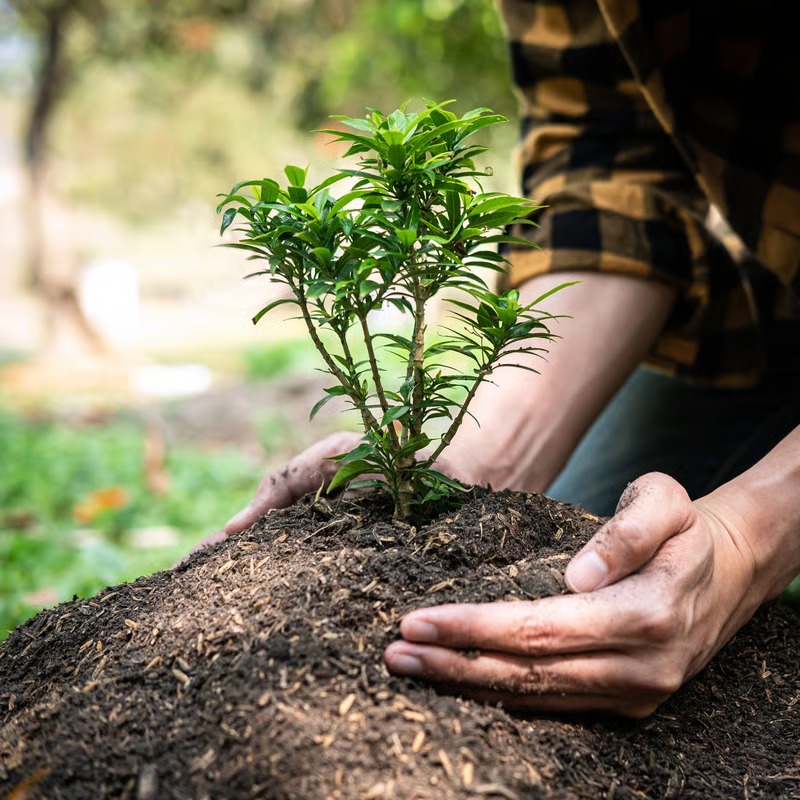
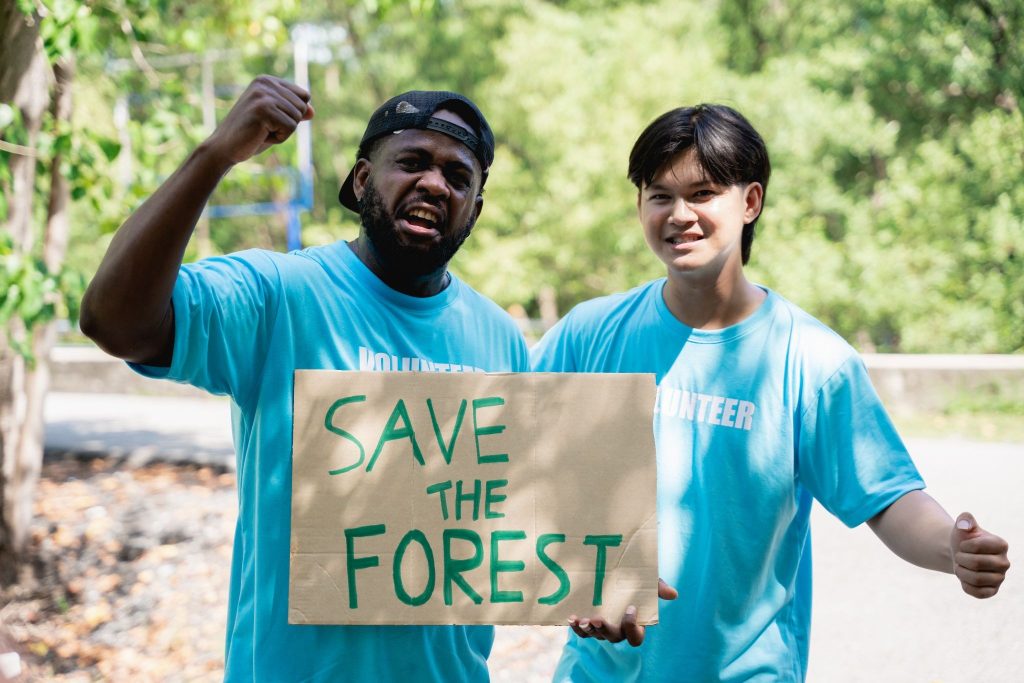
Everyone can play a role in forest restoration, even in small ways. One of the simplest actions is to participate in local tree-planting events. Many organizations host community planting days, where you can help restore degraded areas.
Additionally, consider supporting sustainable forestry practices in your daily life. Choosing products from responsibly managed forests can reduce the pressure on ecosystems. Educating yourself and others about the importance of forest restoration can also inspire collective action. Every effort contributes to the larger goal of enhancing forest restoration biodiversity through forest restoration.
Supporting Organizations and Initiatives
Various organizations focus on forest restoration and forest restoration biodiversity. Supporting their work through donations or volunteering can make a significant impact. Groups like the World Resources Institute and the Nature Conservancy undertake vital restoration projects around the globe.
Getting involved with local environmental organizations is another great way to contribute. Many groups offer opportunities for hands-on work, such as planting trees or monitoring restoration sites. Your involvement can help make a difference in your community and beyond, furthering the cause of forest restoration and its impact on forest restoration biodiversity.
Conclusion
Forest restoration is essential for preserving global forest restoration biodiversity. It plays a crucial role in enhancing ecosystems, supporting wildlife, and combating climate change. By understanding the benefits of restoration and actively participating in these efforts, we can contribute to a healthier planet.
As individuals, we can take simple steps to support forest restoration in our communities. Every action counts, whether it is planting a tree, supporting organizations, or spreading awareness. Together, we can help restore our forests and protect the forest restoration biodiversity that is vital for our planet’s future.
FAQs
1. What is forest restoration?
Forest restoration is the process of recovering degraded or destroyed forest ecosystems to their natural state. It aims to restore forest restoration biodiversity, improve ecosystem services, and enhance resilience against climate change.
2. Why is forest restoration important for biodiversity?
Forest restoration provides habitats for various species, helping to maintain forest restoration biodiversity. Healthy forests support ecosystems and strengthen the relationships between species, ensuring a balanced environment.
3. What are some challenges in forest restoration?
Challenges include securing funding, logistical barriers, and the need for long-term monitoring and maintenance. Overcoming these challenges requires collaboration among stakeholders and innovative solutions.
4. How can individuals get involved in forest restoration?
Individuals can participate in local tree-planting events, support sustainable forestry practices, and volunteer with organizations focused on restoration. Every small action can contribute to larger efforts to enhance forest restoration biodiversity.
5. What are some successful examples of forest restoration?
Successful examples include the Bonn Challenge and community-led projects in Rwanda and the Amazon rainforest. These initiatives highlight the positive impacts of restoration on forest restoration biodiversity and community involvement.