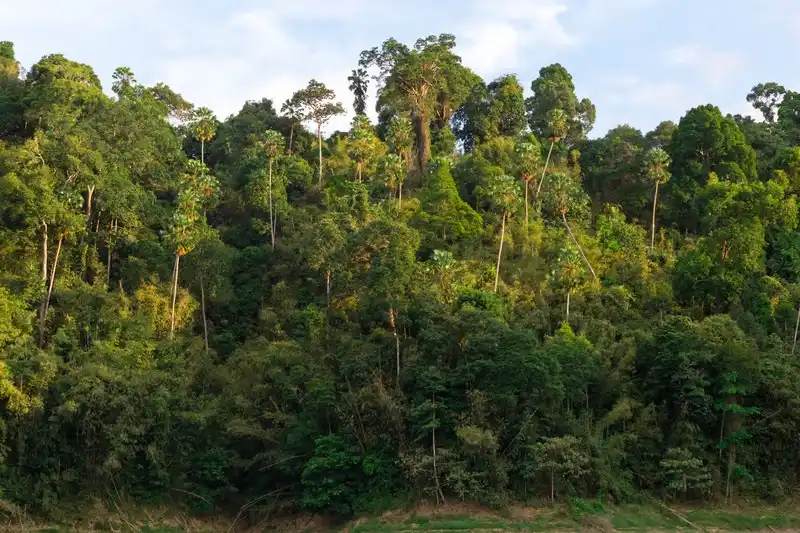
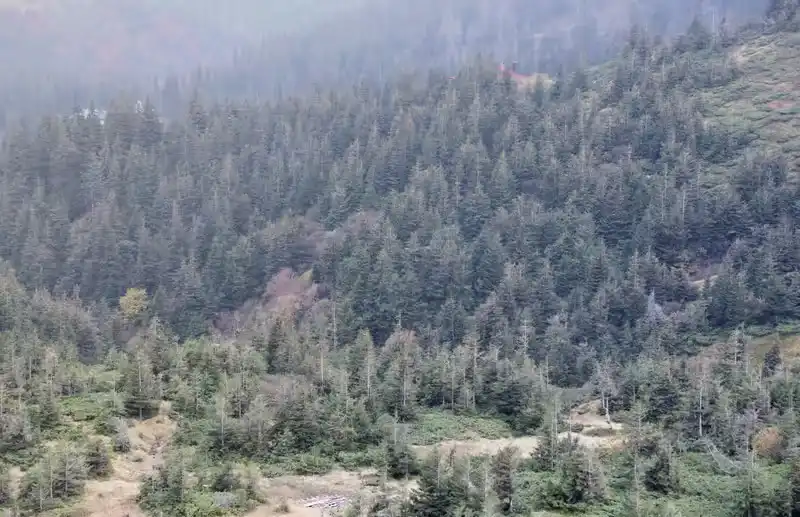
Climate change has become one of the defining challenges of the 21st century. Rising global temperatures, extreme weather events, prolonged droughts, biodiversity loss, and changing rainfall patterns are affecting communities and ecosystems worldwide. While governments, businesses, and individuals explore various strategies to reduce greenhouse gas emissions, one solution continues to gain attention from scientists and environmental experts: forest restoration.
Forests have long been recognized as nature’s climate regulators. They absorb carbon dioxide, stabilize soil, regulate water cycles, and provide habitat for countless species. However, decades of deforestation, urban expansion, agricultural development, and unsustainable land management have significantly reduced forest cover across the globe. According to international environmental organizations, millions of hectares of forests are lost each year, contributing substantially to carbon emissions and ecosystem degradation.
This growing environmental crisis has placed forest restoration at the center of climate discussions. Rather than simply planting trees, restoration involves rebuilding entire forest ecosystems so they can function naturally and sustainably. Healthy forests not only capture carbon from the atmosphere but also support biodiversity, improve water security, and enhance resilience against climate-related disasters.
As nations work toward ambitious climate goals, the question becomes increasingly important: Can forest restoration truly help mitigate the effects of climate change? The answer, according to a growing body of scientific evidence, is yes. However, understanding how and why requires a closer examination of the role forests play in maintaining Earth’s environmental balance.
Understanding Forest Restoration
At its core, forest restoration involves returning degraded, damaged, or destroyed forest ecosystems to a healthier and more functional state. This process goes far beyond planting a few trees. Effective restoration focuses on rebuilding ecological integrity, improving biodiversity, restoring soil quality, and reestablishing natural ecosystem processes.
Modern restoration projects often combine scientific research, local community involvement, and sustainable land management practices. The goal is not merely to recreate a forest visually but to restore its ecological functions so it can support wildlife, regulate climate conditions, and provide long-term environmental benefits.
Experts emphasize that successful forest restoration requires careful planning. Native species selection, local climate conditions, soil characteristics, and biodiversity considerations all influence project outcomes. When done properly, restored forests become self-sustaining ecosystems capable of delivering significant environmental value for generations.
As climate concerns intensify worldwide, restoration initiatives are increasingly viewed as one of the most cost-effective nature-based solutions available.
The Connection Between Forests and Climate Change
To understand why forest restoration matters, it is important to examine the relationship between forests and the climate system. Trees absorb carbon dioxide during photosynthesis, storing carbon within their trunks, branches, roots, and surrounding soil.
Carbon dioxide is one of the primary greenhouse gases responsible for global warming. By removing carbon from the atmosphere, forests help slow the accumulation of emissions that drive climate change. Scientists often refer to forests as carbon sinks because they absorb more carbon than they release under healthy conditions.
When forests are destroyed, this stored carbon is released back into the atmosphere, contributing to climate change. Deforestation alone accounts for a significant percentage of global greenhouse gas emissions each year. This means preserving existing forests and expanding forest cover through forest restoration can play a critical role in reducing atmospheric carbon levels.
Healthy forests act as natural climate regulators, making their restoration an essential component of long-term climate mitigation strategies.
Carbon Sequestration and Long-Term Climate Benefits
One of the strongest arguments supporting forest restoration is its ability to capture and store carbon over extended periods. Carbon sequestration occurs when trees absorb carbon dioxide and lock it away within biomass and soil.
Young, growing forests are particularly effective at absorbing carbon because they require significant amounts of energy and nutrients for growth. As restored forests mature, they continue storing carbon while supporting increasingly complex ecosystems.
Research suggests that large-scale forest restoration projects could remove billions of tons of carbon dioxide from the atmosphere during the coming decades. While restoration alone cannot solve climate change, it represents one of the most powerful natural tools available for reducing atmospheric greenhouse gas concentrations.
The long-term nature of carbon storage also makes forest restoration especially valuable. Unlike some technological solutions, healthy forests continue delivering climate benefits for decades or even centuries when properly protected and managed.
Restoring Biodiversity Through Forest Recovery
Climate change and biodiversity loss are deeply interconnected environmental challenges. Fortunately, forest restoration addresses both issues simultaneously. Restored forests provide habitat for countless plant and animal species that depend on healthy ecosystems for survival.
Many endangered species face threats due to habitat destruction. By rebuilding forest landscapes, restoration projects create opportunities for wildlife populations to recover and thrive. Birds, mammals, insects, amphibians, and countless microorganisms benefit from improved habitat quality.
Biodiversity also strengthens ecosystem resilience. Diverse forests are generally better equipped to withstand droughts, disease outbreaks, storms, and other climate-related stresses. This resilience enhances the long-term effectiveness of forest restoration efforts.
Scientists increasingly recognize that protecting biodiversity is essential for maintaining ecosystem functions that support climate regulation and environmental stability.
Improving Water Cycles and Climate Resilience
One often overlooked benefit of forest restoration involves water management. Forests play a crucial role in regulating local and regional water cycles. Trees absorb water through their roots and release moisture into the atmosphere through transpiration.
This process influences rainfall patterns, groundwater recharge, and river flow stability. When forests disappear, these natural systems become disrupted, increasing the likelihood of droughts, floods, and water shortages.
Restored forests help stabilize watersheds and improve water quality. Their root systems reduce soil erosion, enhance water infiltration, and decrease surface runoff during heavy rainfall events. These functions become increasingly important as climate change intensifies extreme weather conditions.
Communities located near restored forests often experience improved water security and reduced vulnerability to climate-related disasters.
Soil Restoration and Carbon Storage
Healthy soils are among the planet’s most important carbon reservoirs. Unfortunately, deforestation often leads to soil degradation, erosion, and nutrient loss. One significant advantage of forest restoration is its ability to rebuild soil health over time.
Tree roots stabilize soil structures and contribute organic matter through leaf litter and decomposition. These processes improve nutrient cycling, water retention, and microbial activity within the soil ecosystem.
As soil quality improves, additional carbon becomes stored below ground. In some ecosystems, soil carbon storage can rival or even exceed above-ground carbon accumulation. This makes forest restoration particularly valuable from a climate mitigation perspective.
Healthy soils also support agricultural productivity and ecosystem resilience, creating benefits that extend beyond climate regulation alone.
Real-World Success Stories in Forest Restoration
Numerous examples demonstrate the effectiveness of forest restoration initiatives around the world. In several countries, large-scale restoration projects have transformed degraded landscapes into thriving ecosystems that support biodiversity and local livelihoods.
In parts of South America, degraded grazing lands have been successfully restored through native tree planting and sustainable land management practices. These efforts have improved carbon sequestration while supporting local wildlife populations.
Similarly, restoration projects across Asia and Africa have shown that community-led approaches can deliver significant environmental and economic benefits. Local residents often participate directly in restoration activities, creating employment opportunities while improving ecosystem health.
These success stories highlight how forest restoration can generate positive outcomes for both people and the environment.
Economic Benefits of Forest Restoration
Although environmental advantages often receive the most attention, forest restoration also delivers important economic benefits. Healthy forests support industries such as tourism, sustainable forestry, agriculture, and ecosystem services.
Restoration projects frequently create jobs related to tree planting, monitoring, maintenance, and environmental management. In rural areas, these employment opportunities can provide valuable income sources while supporting conservation goals.
Improved ecosystem health also reduces costs associated with environmental degradation. For example, restored forests help prevent flooding, protect water supplies, and reduce soil erosion, lowering infrastructure and disaster recovery expenses.
Many economists now view forest restoration as a smart investment that generates both environmental and financial returns over the long term.
The Role of Indigenous Knowledge and Local Communities
Successful forest restoration often depends on meaningful collaboration with Indigenous peoples and local communities. These groups frequently possess generations of ecological knowledge about native species, land management practices, and ecosystem dynamics.
Research shows that community-led restoration projects often achieve better long-term outcomes because local stakeholders have a direct interest in protecting restored landscapes. Their involvement helps ensure that restoration efforts align with environmental, cultural, and economic priorities.
Many restoration programs now integrate scientific expertise with traditional ecological knowledge. This collaborative approach enhances project effectiveness while promoting social equity and environmental stewardship.
Recognizing the contributions of local communities strengthens both conservation outcomes and climate resilience.
Challenges Facing Forest Restoration Efforts
Despite its tremendous potential, forest restoration is not without challenges. Restoring degraded ecosystems requires significant time, funding, expertise, and long-term commitment. Forests cannot be rebuilt overnight.
Poorly planned restoration efforts may introduce non-native species, reduce biodiversity, or fail to achieve desired ecological outcomes. Climate change itself can also complicate restoration projects by altering growing conditions and increasing environmental stress.
Land-use conflicts present another challenge. Competing demands for agriculture, infrastructure, and economic development sometimes limit opportunities for large-scale restoration.
Addressing these obstacles requires strategic planning, scientific guidance, and sustained investment. When implemented thoughtfully, however, forest restoration remains one of the most effective tools available for ecosystem recovery.
How Technology Is Enhancing Forest Restoration
Technological advancements are helping improve the efficiency and effectiveness of forest restoration initiatives worldwide. Satellite imagery, drones, artificial intelligence, and geographic information systems enable researchers to monitor forest health and identify restoration priorities with unprecedented accuracy.
Remote sensing technologies allow conservation teams to track vegetation growth, assess carbon storage, and detect environmental changes over large areas. These tools support better decision-making and improve project outcomes.
Data-driven approaches also help optimize species selection and restoration strategies based on local environmental conditions. As technology continues evolving, it will play an increasingly important role in scaling restoration efforts globally.
Combining innovation with ecological expertise enhances the potential impact of forest restoration on climate mitigation.
Forest Restoration and Global Climate Goals
International climate agreements increasingly recognize the importance of forest restoration in achieving emissions reduction targets. Many countries have incorporated restoration commitments into national climate strategies and sustainability plans.
Nature-based solutions, including forest restoration, are viewed as essential complements to renewable energy deployment, emissions reductions, and technological innovations. Experts widely agree that climate goals cannot be achieved through emissions reductions alone.
Large-scale restoration initiatives contribute to carbon sequestration while delivering numerous co-benefits related to biodiversity, water security, and community resilience. These multiple advantages make forest restoration uniquely valuable within broader climate action frameworks.
As governments strengthen climate commitments, restoration efforts are likely to expand significantly during the coming decades.
The Future of Forest Restoration
The future of forest restoration appears increasingly promising. Growing public awareness, scientific support, and policy initiatives are driving greater investment in ecosystem recovery projects worldwide.
Innovative restoration approaches continue emerging, including assisted natural regeneration, climate-resilient species selection, and community-based conservation models. These strategies improve restoration success rates while enhancing long-term sustainability.
As climate impacts become more severe, the need for effective natural solutions will only increase. Forest restoration offers a practical pathway toward healthier ecosystems, stronger communities, and a more stable climate.
Its success will depend on continued collaboration among governments, scientists, businesses, conservation organizations, and local communities.
Conclusion
The evidence is clear: forest restoration can play a powerful role in mitigating the effects of climate change. By capturing carbon, restoring biodiversity, improving water cycles, rebuilding soil health, and strengthening ecosystem resilience, restored forests deliver benefits that extend far beyond carbon sequestration alone.
While restoration is not a standalone solution to the climate crisis, it represents one of the most effective nature-based strategies available today. When combined with emissions reductions, renewable energy adoption, and sustainable development practices, forest restoration can significantly contribute to global climate goals.
The growing recognition of these benefits underscores the importance of investing in restoration initiatives worldwide. Healthy forests are not merely environmental assets; they are essential allies in humanity’s effort to build a more sustainable and climate-resilient future.