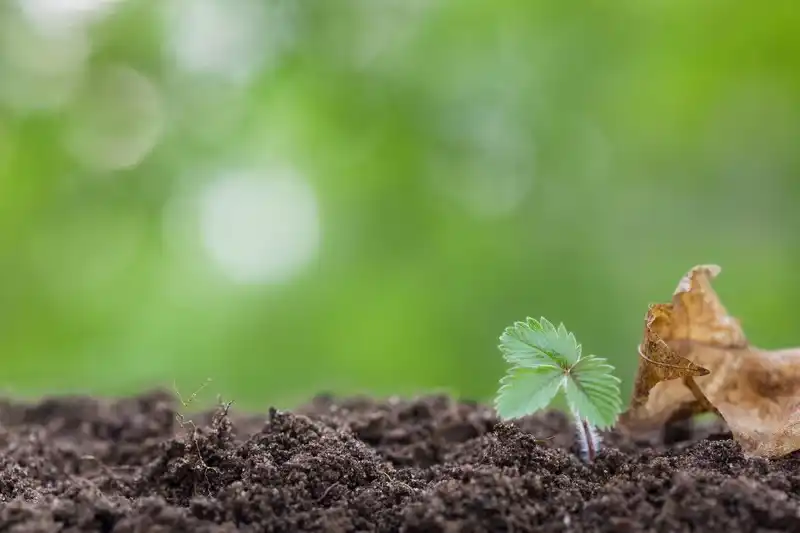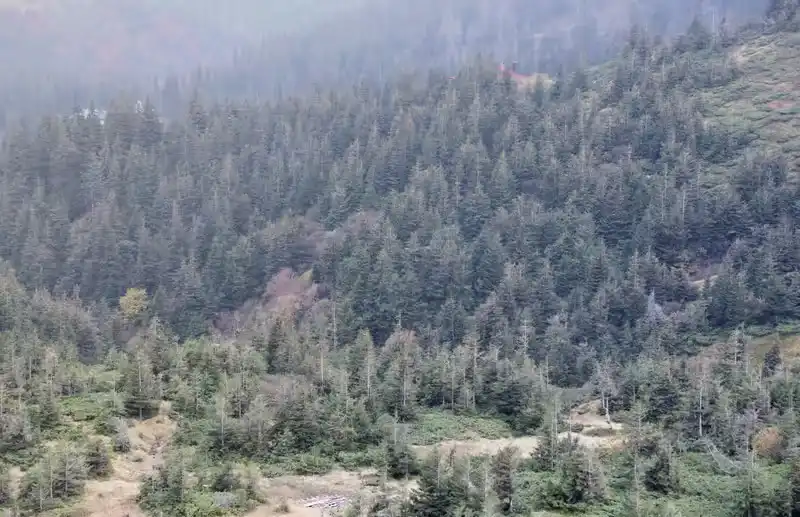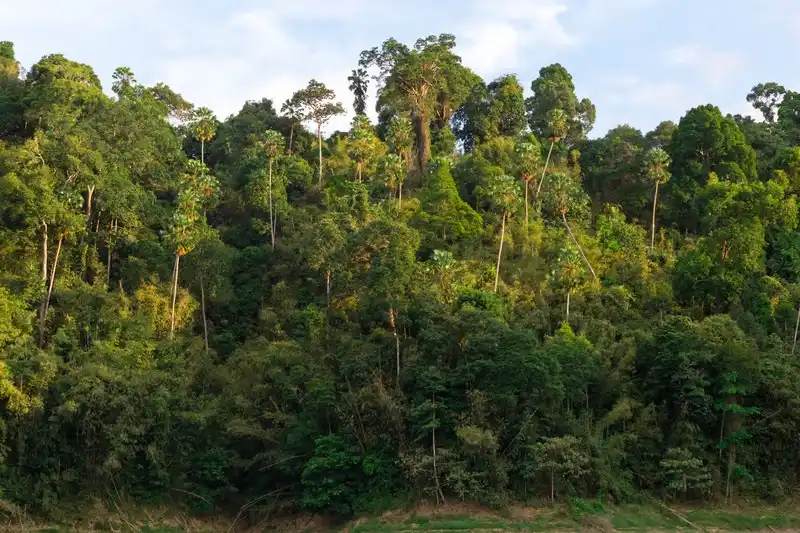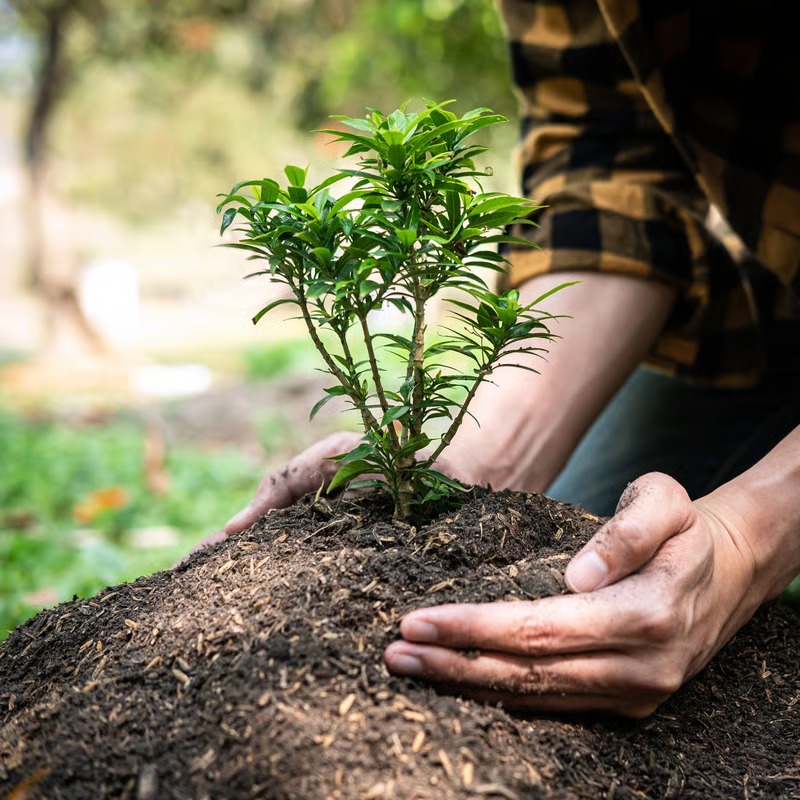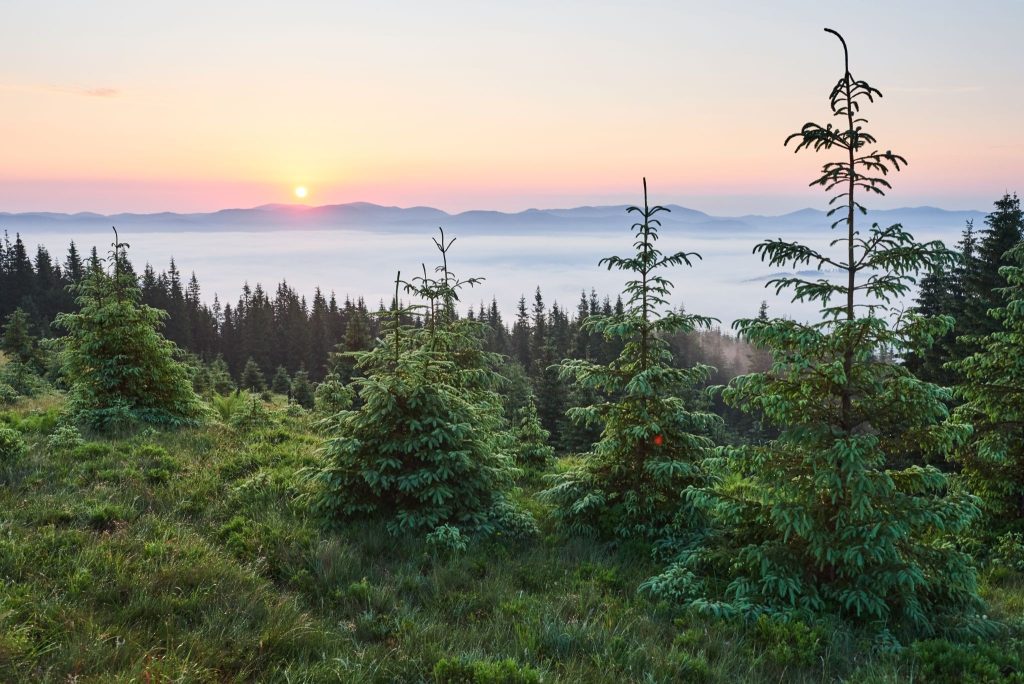
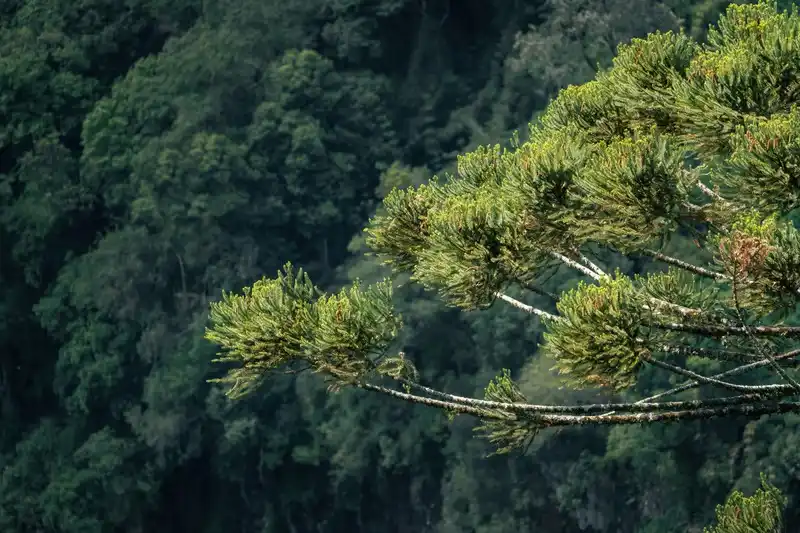
Forests are more than collections of trees. They are living systems where plants, animals, microorganisms, soil, water, and climate interact together. When forests are damaged by deforestation, agriculture, wildfires, or urban expansion, restoring them requires more than simply planting thousands of seedlings. The goal of ecosystem-based forest restoration is to rebuild natural processes and create healthy, self-sustaining landscapes.
Choosing the right species is one of the most important decisions in any restoration project. The best forest restoration trees are not always the fastest-growing ones. They are species that support biodiversity, improve soil quality, store carbon, provide habitat, and adapt to local environmental conditions.
Across the world, scientists, conservation organizations, and communities are focusing on restoration approaches that work with nature rather than against it. Modern restoration science emphasizes native species, ecological balance, and long-term resilience instead of short-term plantation success.
Understanding Ecosystem-Based Forest Restoration
Ecosystem-based restoration focuses on bringing back the functions of a forest ecosystem. This means restoring natural relationships between trees, wildlife, water systems, and soil rather than creating simple tree plantations.
A forest restoration project may involve planting native species, protecting natural regeneration, controlling invasive plants, improving damaged soil, and supporting local communities. The approach recognizes that forests develop over decades and require careful planning.
The selection of forest restoration trees depends on factors such as rainfall, temperature, soil type, elevation, wildlife needs, and historical forest composition. A tree that thrives in one region may fail completely in another environment.
Why Native Tree Species Are Usually the Best Choice
Native trees have evolved alongside local ecosystems for thousands of years. They are naturally adapted to regional climate conditions, pests, diseases, and wildlife relationships.
When restoration projects use native species, they often create stronger ecological connections. Birds, insects, and mammals that depend on certain trees can return as habitats improve.
For example, native oak species in many regions support hundreds of organisms, including insects, fungi, and birds. This biodiversity creates a healthier ecosystem compared with planting a single non-native tree species.
Native forest restoration trees also usually require less maintenance because they are already adapted to local conditions.
Fast-Growing Pioneer Trees for Early Restoration
Some damaged landscapes need pioneer species to begin the recovery process. Pioneer trees are usually fast-growing plants that tolerate difficult conditions such as poor soil, open sunlight, and degraded land.
Species such as alder, willow, birch, and certain native acacias are often used because they improve soil conditions and create shade for other plants.
These early-stage forest restoration trees help prepare the environment for slower-growing species. Their roots stabilize soil, reduce erosion, and increase organic matter.
However, relying only on fast-growing species can create problems. Restoration experts recommend combining pioneer trees with long-lived native species to develop a balanced forest structure.
The Importance of Biodiversity in Tree Selection
A successful forest is not made from one type of tree. Natural forests contain multiple species that perform different ecological roles.
Some trees provide food for wildlife, others improve soil nutrients, and some create canopy layers that regulate temperature and moisture. A diverse mixture increases ecosystem stability.
Research in ecology shows that biodiverse forests are often more resistant to climate pressures, pests, and diseases. This makes species diversity a key principle in choosing forest restoration trees.
Restoration projects that recreate natural diversity usually have better long-term outcomes than projects focused only on planting large numbers of trees.
Carbon Storage and Climate Resilience
Forests play an important role in climate regulation because trees absorb and store carbon dioxide. However, not all forests store carbon in the same way.
Large, long-lived trees often store carbon for many decades. Species selection should therefore consider both short-term growth and long-term survival.
Climate change has also changed restoration planning. Trees selected today need to survive future conditions, including changing temperatures, rainfall patterns, and extreme weather events.
Climate-resilient forest restoration trees are chosen based on their ability to adapt and maintain ecosystem functions over time.
Examples of Important Forest Restoration Tree Species
Different regions require different restoration strategies. There is no universal list of perfect trees because ecosystems are unique.
In tropical forests, species such as mahogany, native figs, and certain legume trees can support complex ecosystems. These trees often provide food sources for wildlife and help rebuild forest structure.
In temperate regions, oak, maple, pine, and birch species are commonly important because they support diverse habitats and survive seasonal changes.
In dry landscapes, drought-resistant species such as native acacias and certain desert-adapted trees can help restore damaged ecosystems.
The best forest restoration trees are always selected according to local ecological conditions.
The Role of Soil Improvement in Forest Recovery
Healthy soil is the foundation of a successful forest. Degraded land often lacks nutrients, microorganisms, and organic material needed for tree growth.
Some tree species naturally improve soil by adding nutrients through leaf litter or supporting beneficial fungi. Nitrogen-fixing trees are especially valuable because they help increase soil fertility.
Restoration specialists often consider soil recovery when selecting species. Planting the right combination of trees can gradually rebuild damaged landscapes.
Supporting Wildlife Through Tree Diversity
Trees provide more than carbon storage and shade. They create homes and food sources for countless species.
A forest with different tree species offers more nesting areas, fruits, seeds, flowers, and shelter. This encourages wildlife recovery and strengthens ecological connections.
Many conservation projects focus on restoring habitats for endangered animals by planting specific native trees.
The relationship between wildlife and forest restoration trees shows why restoration should focus on ecosystems rather than individual trees.
The Importance of Local Community Involvement
Successful forest restoration often depends on the people living near restored landscapes. Local communities understand land conditions, traditional knowledge, and practical challenges.
Community-based restoration projects create stronger long-term protection because people have a direct connection with the forest.
Many successful restoration programs combine scientific research with local experience. This approach improves survival rates and ensures restoration benefits both nature and people.
Common Mistakes in Forest Restoration Projects
One common mistake is measuring success only by the number of trees planted. A million planted seedlings do not guarantee a healthy forest.
Another mistake is choosing species based only on fast growth. Some fast-growing trees may reduce biodiversity or fail to support native wildlife.
Restoration requires patience. A healthy forest may take decades to fully develop, and monitoring is necessary to understand whether ecosystems are recovering.
How Modern Technology Helps Select Restoration Trees
Technology has improved forest restoration planning. Scientists now use satellite data, climate models, soil analysis, and mapping tools to identify suitable restoration areas.
Artificial intelligence and ecological databases are also helping researchers predict which species may perform better under future climate conditions.
These tools do not replace ecological knowledge, but they help improve decision-making and increase restoration success.
The Future of Ecosystem-Based Forest Restoration
The future of restoration is moving toward smarter, science-based approaches. Instead of focusing only on planting trees, experts are creating complete ecosystem recovery plans.
Global restoration efforts increasingly recognize that forests provide benefits including climate protection, clean water, biodiversity conservation, and human well-being.
The demand for effective forest restoration trees will continue growing as countries work toward climate and conservation goals.
Final Thoughts on Choosing the Right Restoration Trees
Choosing the best tree species for ecosystem-based forest restoration requires understanding nature, climate, and local environments. The strongest restoration projects combine native species, biodiversity, scientific research, and community participation.
The purpose of forest restoration trees is not simply to increase tree numbers. Their true value comes from rebuilding ecosystems that can survive, support wildlife, and continue providing benefits for future generations.
Restoring forests is a long-term investment in the planet. When the right trees are planted in the right places, damaged landscapes can become thriving natural systems again.
Frequently Asked Questions
What are the best trees for forest restoration?
The best trees depend on the local ecosystem, but native species are usually preferred because they support biodiversity, adapt to climate conditions, and improve natural recovery processes.
Why are native trees important in restoration projects?
Native trees have evolved with local wildlife, soil conditions, and climate patterns. They usually provide stronger ecological benefits and require less maintenance compared with unsuitable introduced species.
Can fast-growing trees be used for forest restoration?
Yes, fast-growing pioneer trees can help restore damaged land by improving soil and creating shade. However, they should usually be combined with diverse native species for long-term ecosystem health.
How do scientists choose forest restoration trees?
Scientists consider climate, soil conditions, biodiversity goals, water availability, and future climate changes when selecting appropriate tree species for restoration projects.
How long does forest restoration take?
Forest restoration is a long-term process. Some improvements happen within years, but developing a mature, diverse forest ecosystem may take several decades depending on environmental conditions.